
Movement Programs

Educational content organized around the key dimensions of conscious physical life.

The following programs represent areas of focus within mindful movement education. Each is presented as general wellness information — a starting point for your own exploration, not a clinical protocol or treatment plan.

Person seated at a desk demonstrating mindful upright posture with natural spinal alignment in a warm office setting
Posture

Foundations of Spinal Awareness

The spine is not a straight rod. It has four natural curves that distribute load and allow movement. Understanding these curves — cervical, thoracic, lumbar, sacral — changes how you think about "good posture." This program explores spinal mechanics as they apply to common daily activities: sitting at a desk, standing in a queue, carrying a bag.

Topics include the role of the pelvis in spinal positioning, how the head's relationship to the neck affects the whole chain, and what "neutral spine" actually means in practice.

Spinal curves Pelvic position Head and neck Desk ergonomics
Enquire about this program

Close-up of a person's torso with hands placed on chest and abdomen, practicing diaphragmatic breathing in soft side lighting
Breathing

Breath Mechanics and Awareness

Breathing is the bridge between the conscious and unconscious aspects of the body. Most adults breathe with only a fraction of their lung capacity and have developed habitual patterns that reflect their stress and movement history. This program introduces the mechanics of respiration — how the diaphragm functions, what rib expansion feels like, and how breath interacts with posture and movement.

The content is observational and educational. It does not prescribe breathing protocols but provides a framework for understanding what is happening when you breathe.

Diaphragm function Rib mechanics Breath and posture Everyday patterns
Enquire about this program
Wide shot of a person walking on a quiet urban path in early morning light, moving with deliberate, aware posture
Conscious Activity

Walking with Awareness

Walking is the most fundamental human movement — and one of the most overlooked. Gait patterns develop early and are rarely examined until something goes wrong. This program explores walking as a complex, full-body coordination pattern: the role of arm swing, the mechanics of heel-to-toe contact, how the hips and shoulders counter-rotate, and what a mindful walking practice might involve.

No equipment or prior fitness level required. The content is accessible to anyone who walks regularly.

Gait mechanics Arm swing Hip rotation Foot contact
Enquire about this program
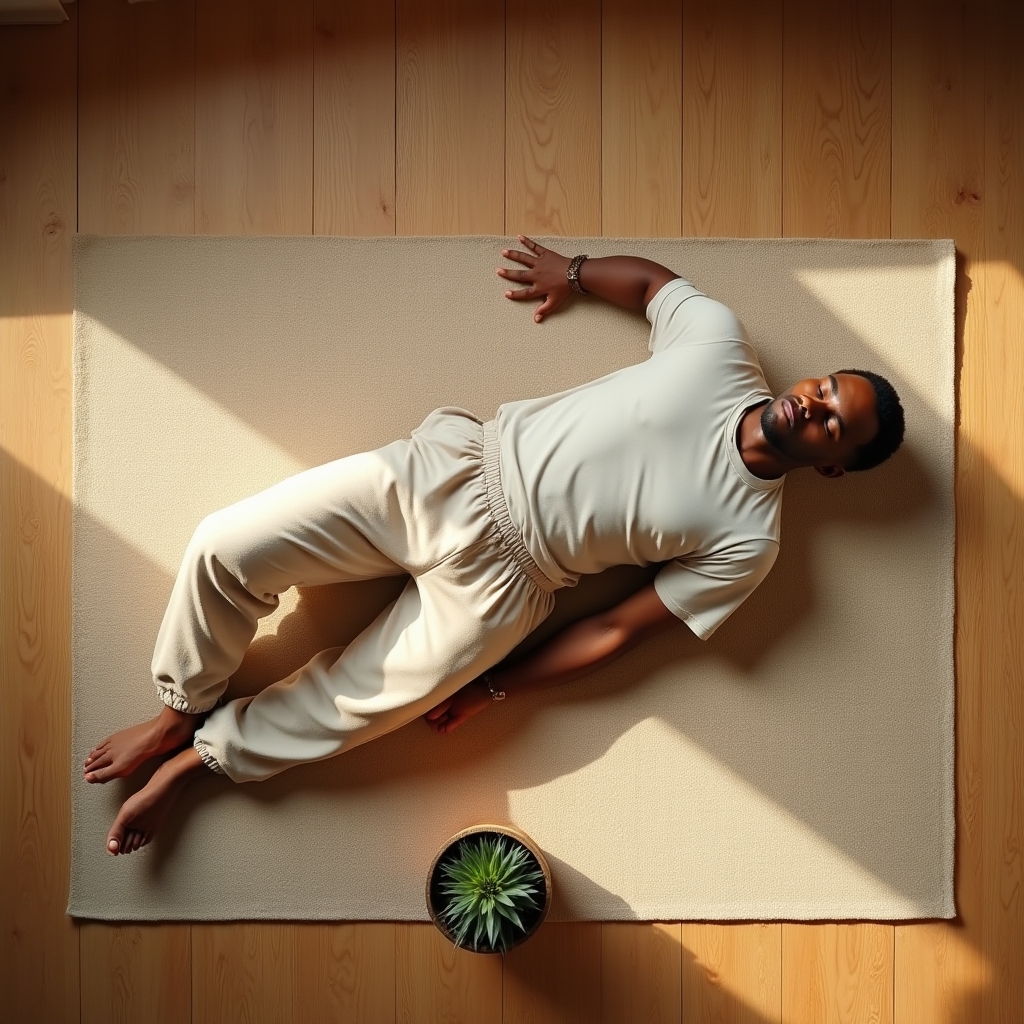
Person lying in a relaxed supine position on a natural fiber mat in warm ambient light, in a body scan awareness practice
Body Awareness

Developing Internal Literacy

The ability to sense what is happening inside your body — to notice tension, fatigue, imbalance, or ease — is a learnable skill. Somatic traditions from many cultures have developed practices for cultivating this internal awareness. This program draws on those traditions to present the concept of interoception: what it is, why it matters, and how it develops.

Topics include proprioception basics, the role of slow movement in developing body awareness, and how attention itself changes physical experience.

Interoception Proprioception Somatic awareness Attention and sensation
Enquire about this program

A note on scope

All content within these programs is presented as general wellness information for educational purposes. It is not intended as medical advice, diagnosis, or treatment. If you have specific health concerns, we encourage you to consult a qualified healthcare professional.